
How to Plan a Budget African Safari: Insider Tips for an Affordable Adventure
Planning a budget African safari doesn’t mean settling for less. With the right strategy, you can experience Africa’s most iconic wildlife, from lions on the savannah to elephants at sunset, without overspending.
This guide walks you through exactly how to plan a budget African safari step by step, including choosing the right destinations, travel timing, safari styles, and cost-saving strategies. Whether you’re looking for a budget safari in Africa, searching for affordable African safari options, or comparing cheap African safari packages, you’ll find practical insights to help you travel smarter.
By the end, you’ll know how to design a safari that balances cost, comfort, and unforgettable wildlife experiences.

Can You Plan a Budget African Safari Under $5,000?
Yes, absolutely. A budget of $5,000 is more than enough to plan a well-rounded African safari, especially in East Africa and southern Africa. With smart choices, you can enjoy a 7 to 10-day safari that includes top wildlife destinations, comfortable accommodation, and professionally guided experiences.
For example, a carefully planned itinerary can take you through iconic parks like the Masai Mara National Reserve, the Serengeti National Park, or Murchison Falls National Park, where you can experience game drives, stunning landscapes, and close wildlife encounters, all without exceeding your budget.
What Does a $5,000 Safari Typically Include?
A well-structured budget safari in this price range usually covers:
- Accommodation in budget or mid-range lodges or tented camps
- Daily game drives with an experienced safari guide
- Park entry fees and conservation charges
- Meals (often full board while on safari)
- Ground transport in a 4×4 safari vehicle
- Airport transfers and basic logistics
Depending on your travel style, this typically translates to $200 to $450 per person per day, which aligns with most affordable safari packages across East Africa.
How to Make a $5,000 Safari Work?
To stay within budget while maximizing your experience, focus on these proven strategies:
- Travel during the low or shoulder season
Visiting between March and May or October–early December can reduce costs by up to 30%, while still offering excellent wildlife viewing. - Choose the right destinations
Countries like Kenya, Tanzania, and Uganda offer the best balance between cost, accessibility, and wildlife density. - Opt for small group or shared safaris
Sharing transport and guides significantly lowers overall costs without compromising the experience. - Select mid-range lodges or budget camps
These provide comfort, good meals, and excellent locations near wildlife areas at a fraction of luxury prices. - Plan your route efficiently
Minimizing long travel distances and internal flights helps keep costs under control.
With the right planning approach, a $5,000 budget doesn’t limit your safari; it simply helps you travel smarter.
1. Why a Budget African Safari Is Still an Incredible Experience?
A common misconception is that budget safaris mean missing out, but in reality, the core safari experience remains the same. The wildlife, landscapes, and natural encounters are identical whether you stay in a luxury lodge or a well-selected budget camp.
On a thoughtfully planned budget safari, you still enjoy close encounters with Africa’s iconic wildlife, from elephants and lions to giraffes and vast herds moving across open savannahs. The difference lies mainly in accommodation style, not the quality of the experience itself.
In destinations like the Masai Mara National Reserve, the Serengeti National Park, or Murchison Falls National Park, wildlife sightings are driven by location and guiding expertise, not by how much you spend on a room.
Budget safaris also tend to feel more authentic and immersive. Staying in smaller lodges or tented camps often brings you closer to nature, with fewer crowds and a stronger connection to the environment. In addition, many affordable safari itineraries include cultural interactions with local communities, adding depth and meaning to your journey beyond wildlife viewing.
Ultimately, choosing a budget safari is not about cutting corners; it’s about prioritizing what truly matters: the experience, the wildlife, and the adventure itself.
2. Choosing the Right Budget Safari Style
One of the most important steps when planning a budget African safari is choosing the right safari style. Your choice directly affects cost, comfort, and overall experience.
Here are the most common budget-friendly safari options and who they are best suited for:
Camping Safaris (Most Affordable Option)
Camping safaris are the most cost-effective way to explore Africa’s top wildlife destinations. You stay in tents, either at public campsites or as part of a fully supported mobile setup, while still enjoying guided game drives and full safari experiences.
This option is ideal for:
- Backpackers and solo travelers
- Adventure seekers
- Travelers focused on minimizing costs
Despite the lower price, you still have access to top parks like Serengeti National Park and Masai Mara National Reserve, with excellent wildlife viewing.
Budget & Mid-Range Lodge Safaris (Best Value for Comfort)
Lodge safaris offer a balance between affordability and comfort. You stay in well-located lodges or tented camps with proper beds, private bathrooms, and full meals.
This is the most popular option for:
- Couples and families
- First-time safari travelers
- Travelers who want comfort without luxury pricing
Many lodges are strategically located near key parks, such as Murchison Falls National Park, offering easy access to game drives while keeping costs reasonable.
Mobile Tented Safaris (Immersive & Flexible)
Mobile safaris involve moving camps that follow wildlife patterns or cover multiple regions. These are often set up and managed by a support team, offering a balance between adventure and organization.
Best suited for:
- Wildlife enthusiasts
- Photographers
- Travelers wanting a deeper, less crowded experience
They are especially effective in remote ecosystems where permanent lodges are limited. Choosing the right safari style ensures you get the best possible experience without overspending. The key is to match your expectations with your budget and travel preferences.
3. What to Expect on a Typical Budget Safari Day
Understanding how a safari day is structured helps you prepare better and get the most value from your experience. While each itinerary varies, most budget African safaris follow a similar daily rhythm designed around wildlife activity.
Early Morning Game Drive
Your day typically starts at sunrise, when wildlife is most active. This is the best time to spot predators such as lions or leopards before the heat of the day sets in.
Game drives take place in national parks like the Masai Mara National Reserve or Serengeti National Park, where experienced guides track animals and position you for the best sightings.
Midday Rest and Meals
After the morning drive, you return to camp or lodge for breakfast or lunch. Midday is usually reserved for rest, as wildlife activity slows down and temperatures rise. This downtime allows you to relax, review photos, or simply enjoy the natural surroundings.
Afternoon Game Drive or Activity
In the late afternoon, you head out again for another game drive or optional activities such as birdwatching, cultural visits, or boat safaris (depending on the destination). For example, in Murchison Falls National Park, a Nile boat cruise offers a completely different wildlife perspective.
Evening Relaxation
After sunset, you return to your lodge or camp for dinner and relaxation. Evenings are often spent sharing stories around the campfire or enjoying the quiet sounds of the African wilderness. Each day on safari is different, which is part of the experience. Wildlife sightings are never guaranteed, but that unpredictability is what makes every moment exciting and unique.
4. Best Time to Plan a Budget African Safari
Timing plays a major role in how much your African safari will cost. Choosing the right travel period can significantly reduce your expenses while still delivering excellent wildlife experiences.
In most African safari destinations, prices are highest during the peak dry season, when wildlife viewing is at its easiest and demand is at its highest. However, traveling during the low or shoulder seasons can offer the best value for budget-conscious travelers.
Low Season (Best for Lowest Prices)
The low or “green season” typically runs from March to May in East Africa. During this period, you can find reduced lodge rates, discounted safari packages, and fewer crowds in major parks.
Although there may be occasional, landscapes are lush and beautiful, and wildlife is still present in large numbers. This is one of the best times to plan a budget safari if your priority is saving money.
Shoulder Season (Best Balance of Cost and Experience)
The shoulder season, usually October to early December and parts of June, offers a strong balance between affordability and wildlife viewing.
During this time:
- Prices are lower than peak season
- Parks are less crowded
- Wildlife sightings remain excellent
This is often the ideal window for travelers who want value without compromising too much on conditions.
Peak Season (Best Wildlife, Higher Costs)
Peak season (June to October) offers the easiest wildlife viewing due to dry conditions, especially in destinations like the Serengeti National Park and Masai Mara National Reserve.
However, this is also when:
- Accommodation prices are the highest
- Availability is limited
- Booking must be done well in advance
Key Insight:
You don’t need peak season to have an incredible safari. With the right planning, traveling just outside peak months can reduce your total cost by 20–30% while still delivering excellent wildlife experiences.
5. Best Budget Safari Destinations in Africa
Choosing the right destination is one of the most effective ways to keep your safari affordable. Some countries offer significantly better value due to infrastructure, park accessibility, and a wide range of accommodation options.
Here are the best destinations for a budget African safari:
Kenya & Tanzania (Best Overall Value for Wildlife)
Kenya and Tanzania remain the most popular safari destinations in Africa, and for good reason. They offer a wide range of budget, mid-range, and group safari options, making them highly accessible for different travel budgets.
You can explore iconic ecosystems like the Masai Mara National Reserve and the Serengeti National Park, where wildlife density is among the highest in Africa. Shared safaris and well-developed tourism infrastructure make these countries especially cost-effective.
Uganda (Best for Primates and Diverse Experiences)
Uganda offers excellent value for travelers looking to combine wildlife safaris with primate tracking experiences.
In addition to game drives in places like Murchison Falls National Park, Uganda is one of the few places in the world where you can track chimpanzees and mountain gorillas. While gorilla permits are a major cost factor, combining them with budget safari options can still create a well-balanced and affordable itinerary.
Namibia (Best for Self-Drive Budget Safaris)
Namibia is ideal for travelers who prefer independent travel. Its well-maintained roads and low population density make it perfect for self-drive safaris. Destinations like Etosha National Park offer excellent wildlife viewing with relatively low park fees and affordable camping options.
South Africa (Best for Easy & Affordable Safaris)
South Africa is one of the most budget-friendly safari destinations due to its strong infrastructure and accessibility. Parks like Kruger National Park offer a mix of guided and self-drive safaris, making it easy to control costs while still enjoying high-quality wildlife experiences.
Important Tip:
If you are working with a strict budget, consider limiting time in high-cost destinations like Botswana, where most safaris are designed around premium and luxury experiences.
6. Combine Safari and Beach for Better Value
A smart way to maximize your African travel budget is to combine your safari with a beach extension. This creates a more complete experience without significantly increasing overall costs.
Why This Works
Safari destinations in East Africa are well-connected to coastal regions, making it easy and affordable to add a beach stay.
Top budget-friendly combinations:
- Tanzania safari + Zanzibar beach
- Kenya safari + Diani Beach or Lamu
- Mozambique coast extensions (from Southern Africa safaris)
Benefits of a Safari + Beach Package
- Lower overall transport costs (compared to separate trips)
- Balanced itinerary (adventure + relaxation)
- Better value package pricing
- Ideal for couples and honeymooners
After days of early game drives, a few nights by the ocean allow travelers to relax without rushing home.
Pro tip:
Choose mid-range beach resorts or boutique lodges to maintain affordability while still enjoying a premium experience.
7. Stay Longer & Save More
Deeper Immersion, Lower Cost: When you plan a budget African tour that lasts 7+ nights, you gain more than just extra time; you gain value. At Mtembezi Safari, we encourage longer stays that eliminate the need for frequent, costly transfers, providing a richer and more connected experience with the wild.
By staying in one region for several nights, you reduce travel stress, internal flight costs, and logistical complexity. Instead, you settle into the rhythm of nature, watching animal behavior unfold in detail, something a fast-paced tour just can’t deliver.
Plus, many of our trusted partner lodges reward longer stays with generous extended-stay discounts, including:
- Pay 3, Stay 4 offers
- Complimentary game drives or bushwalks for extended bookings
- Reduced nightly rates after the 4th or 5th night
Let Mtembezi Safari help you craft a well-paced, immersive adventure that goes deeper while costing less. Because sometimes, the longer you stay, the richer and more affordable your safari becomes.
8. Group Safaris vs Private Camps: How to Save More on Your African Safari
One of the most effective ways to reduce the cost of your African safari is by choosing between small group tours or shared private camps, depending on your travel style.
Travel in Small Groups to Cut Costs
Joining a group safari allows you to share key expenses such as:
- 4×4 safari vehicles
- Professional guides
- Fuel and park logistics
This significantly lowers your per-person safari cost, making destinations like Kenya, Tanzania, and Uganda far more accessible on a budget.
Book Private Camps as a Group
If you’re traveling with friends or family, consider booking a private safari camp. While it may seem like a luxury option, splitting the total cost across multiple travelers often makes it surprisingly affordable.
Key benefits:
- Lower cost per person
- Exclusive use of camp facilities
- Personalized safari experience
- Flexible itinerary and pace
Best strategy:
For budget-conscious travelers, aim for 4–6 people per group to maximize cost efficiency without compromising comfort.
9. Pack Smart and Avoid Hidden Safari Costs
Packing efficiently is an often-overlooked way to reduce your safari expenses, especially when internal flights and baggage limits are involved.
Avoid Extra Baggage Fees
Many regional and bush flights in Africa have strict luggage limits (typically 15–20kg in soft bags). Overpacking can result in additional charges.
- What to Pack for a Budget Safari
- Lightweight, neutral-colored clothing
- Layered outfits for varying temperatures
- Comfortable walking shoes or boots
- Minimal electronics and accessories
- Use Lodge Laundry Services
Most safari lodges and camps offer affordable or complimentary laundry services, allowing you to pack fewer clothes and travel lighter.
Why This Matters
Packing light helps you:
- Avoid airline penalties
- Move more easily between destinations
- Reduce travel stress
- Stay within your overall safari budget
Bottom line:
The smarter you pack, the more you save—without sacrificing comfort or experience.
10. Mtembezi’s Exclusive Deals
Your African safari dream is closer and more affordable than you think, especially with Mtembezi Safari’s smart savings strategies! We’re committed to making iconic wildlife encounters and cultural immersion accessible to all, and our special offers are designed to give you the best possible value:
- Adventure on Impulse? Our Last-Minute Mtembezi Specials await! For the flexible traveler, unlock discounts on departures within 30 days. It’s your chance to experience Africa’s magic sooner, for less.
- The Smart Way to Safari: Early-Booking Discounts! Secure your spot and your savings. Book your Mtembezi Safari 6+ months in advance to receive exclusive bonus value on premium lodging. Planning truly pays off!
- Be a Mtembezi VIP! Seasonal Promos: Ready for an amazing deal? We regularly run special flash sales on our popular off-peak trips, offering our deepest discounts. Just ask us for the latest promotions, we’re ready to help you score the best possible price.
Mtembezi Safari: Making your African adventure both unforgettable and remarkably affordable. Join our community and start saving today!
Summary: How to Plan a Budget African Safari (Key Takeaways)
You don’t need to spend a fortune to experience Africa’s wild beauty. With smart choices, such as traveling in the off-season, choosing budget-friendly destinations, and keeping an eye on discounts, you can craft an unforgettable safari adventure.
Ready to plan your budget African safari? Start building your itinerary today with expert guidance and insider tips.
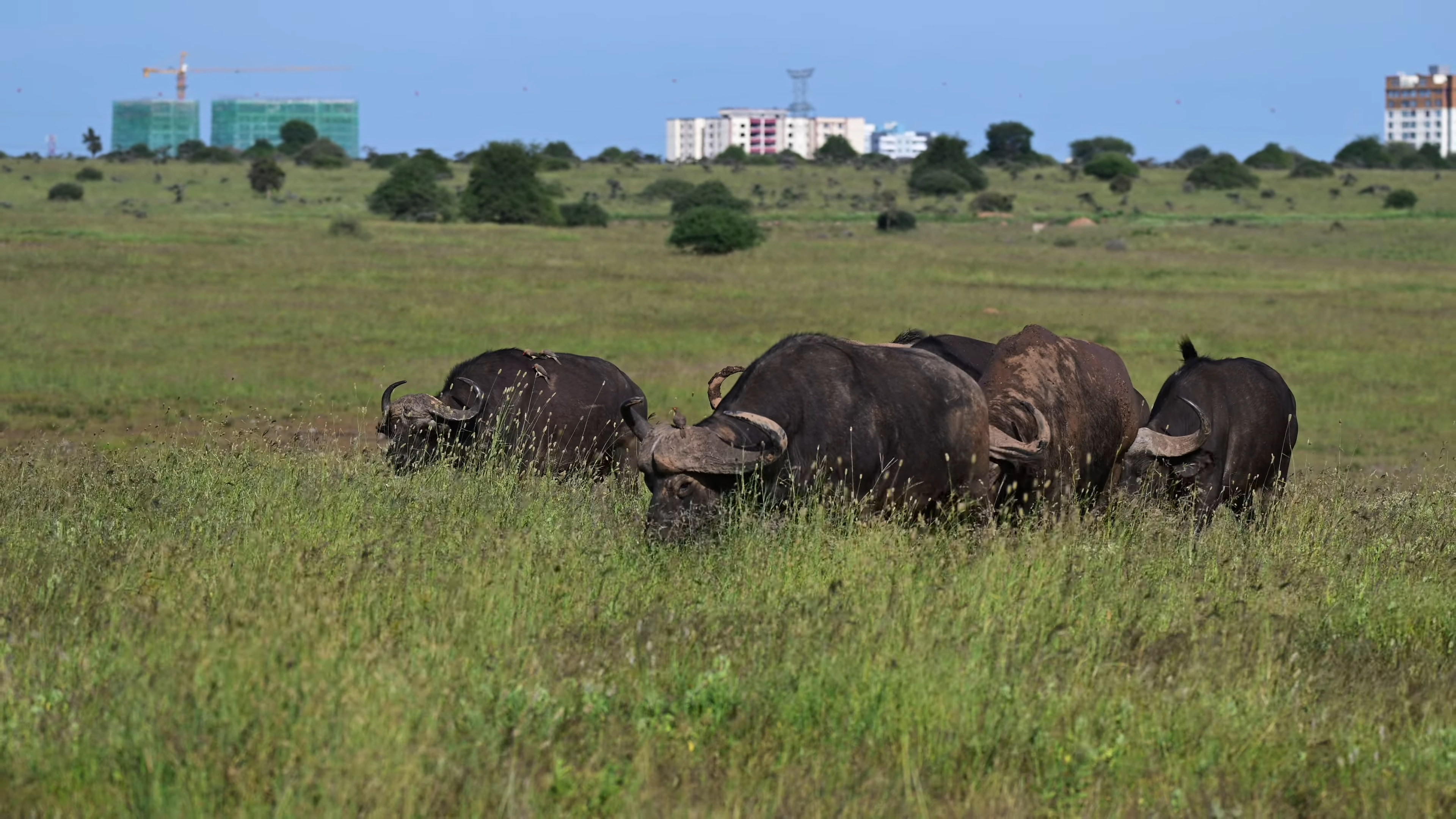
Grazing herds of Buffalos in Nairobi National Park
Start Planning Your Budget African Safari Today
Ready to turn your dream into reality? Now that you understand how to plan a budget African safari, the next step is building an itinerary that fits your travel style and budget. From affordable African safari options to carefully designed routes across top wildlife destinations, the right plan makes all the difference.
Accommodation Cost Comparison Table
A table comparing average nightly costs across different safari accommodation types and destinations can provide readers with a clear overview of their options.
Accommodation Costs for Budget to Luxury Safari Stays (2026 Guide)
| Type | Average Nightly Cost (USD) | Typical Locations |
|---|---|---|
| Camping | $200 | Various national parks |
| Budget & Mid‑range Lodges | $300 – 400 | Bwindi, Queen Elizabeth, Murchison |
| Premier Private Game Lodges | $425 – 700 | Prime safari/conservation areas |
| Luxury Private Game Lodges | $750 – 1,250 | Upscale lodges near gorilla/rare wildlife |
| Top‑of‑the‑Range Lodges | $1,300 – 2,750 | Exclusive luxury camps & private reserves |
| Prices vary by season, park location, group size, amenities, and permit demands (including gorilla and chimpanzee tracking, park entry fees). | ||
Planning Your First Mtembezi Safari: How Long, What to Pack, & When to Book!
Planning an affordable African safari is not about cutting corners; it’s about making strategic travel decisions that maximize value without compromising the experience. By choosing the right destinations, travel seasons, and safari styles, you can experience Africa’s most iconic wildlife and landscapes at a fraction of the typical cost.
Key Takeaways for Planning a Budget African Safari
- Travel during the low or shoulder season (March–May, October–early December) to reduce costs by up to 30%
- Choose budget or mid-range lodges instead of luxury camps
- Join small group safaris to share transport and guide costs
- Focus on high-value destinations like Kenya, Tanzania, Uganda, and South Africa
- Stay longer in one region to reduce internal transport expenses
- Take advantage of early booking discounts and last-minute deals
- Pack light to avoid hidden airline and transfer costs
With these strategies, a 7–10-day African safari under $5,000 is not only possible but highly rewarding.
To give you a better idea of what you might spend, here’s a rough breakdown of costs for different types of safari experiences:
- Budget African Safari (Camping): Around $200 per person, per night
- Affordable African Safari (Accommodation): Approximately $250 per person, per night
- Mid-Range Safari (Accommodation): Expect about $450 per person, per night
- Luxury Safari (Accommodation): On average, $700 per person, per night, though prices can soar up to $1500 or more.
These costs fluctuate depending on several factors, such as your chosen destination, the season, and whether you’re traveling in a group or opting for a private experience. That’s why it’s essential to plan strategically to get the most value out of your safari.
But how long should your first safari be? While your budget plays a big role in determining the length of your stay, there are a few other factors to consider:
- The Safari Experience: The more time you spend on safari, the greater your chances of witnessing those once-in-a-lifetime wildlife moments. Game drives can be unpredictable, so having extra days allows you to enjoy the unpredictability of nature fully.
- Pacing Yourself: Safari schedules can be exhausting. With early morning game drives and late afternoon wildlife spotting, days are packed with adventure. That’s why for first-timers, a safari lasting 7 to 10 days strikes the perfect balance. It provides enough time to experience diverse wildlife and landscapes without overwhelming you.
If you’re short on time, even a 4 to 5-day safari can be rewarding, particularly if you focus on one or two key areas known for abundant wildlife. But remember, the more days you allocate, the richer your safari experience will be.
We Tried 2 African Safaris (BUDGET vs. LUXURY)
Packing strategically for your first safari is essential. Not only will it keep you comfortable, but it will also help you avoid any extra baggage fees, especially on bush flights with strict weight limits. Here are some expert tips on what to pack:
- Light and Neutral Clothing: Stick to breathable, neutral-toned clothing (khakis, greens, and browns) to blend into the environment and avoid attracting insects. Technical fabrics are highly recommended, as they’re lightweight, durable, and designed to handle varying temperatures.
- Layering is Key: African safaris can range from chilly mornings to hot afternoons. Pack lightweight layers to stay comfortable throughout the day.
- Footwear Matters: Opt for sturdy boots, such as Timberlands, rather than sneakers. They’ll provide better protection and comfort for game drives and walking safaris.
- Camera Gear: Don’t forget to bring a telephoto lens if you want to capture stunning wildlife shots from afar. A bean bag is also a great accessory for steadying your camera during long waits in the safari vehicle.
For a complete, detailed packing guide, check out our Essential Safari Packing List, where you’ll find everything you need to pack for a seamless adventure.
When to Plan Your First Mtembezi Safari:
Planning is vital for securing your ideal safari experience.
- For Peak Seasons & Best Selection: Ideally, start planning 9 months to a year in advance. This gives you ample time to choose your destination, secure top-choice accommodations, obtain necessary park permits, and arrange all logistics with Mtembezi Safari.
- Spontaneous? We Can Still Help! While ample planning ensures smoothness, don’t rule out last-minute trips! We sometimes have special deals available for spontaneous adventurers.
Let Mtembezi Safari take the guesswork out of planning. We’re here to help you craft the perfect first safari, tailored to your budget, desired length, and adventurous spirit!
Ready to build your Mtembezi budget safari? Get my free quote & insider tips now.
You don’t need a luxury budget to experience Africa’s wildlife. Once you understand how to plan a budget African safari, you can unlock incredible destinations, reduce unnecessary costs, and still enjoy a high-quality experience.
Whether you’re exploring affordable African safari options or comparing cheap African safari packages, the key is smart planning.
Ready to start planning your safari?
Get expert guidance and a customized quote designed around your budget and travel goals.